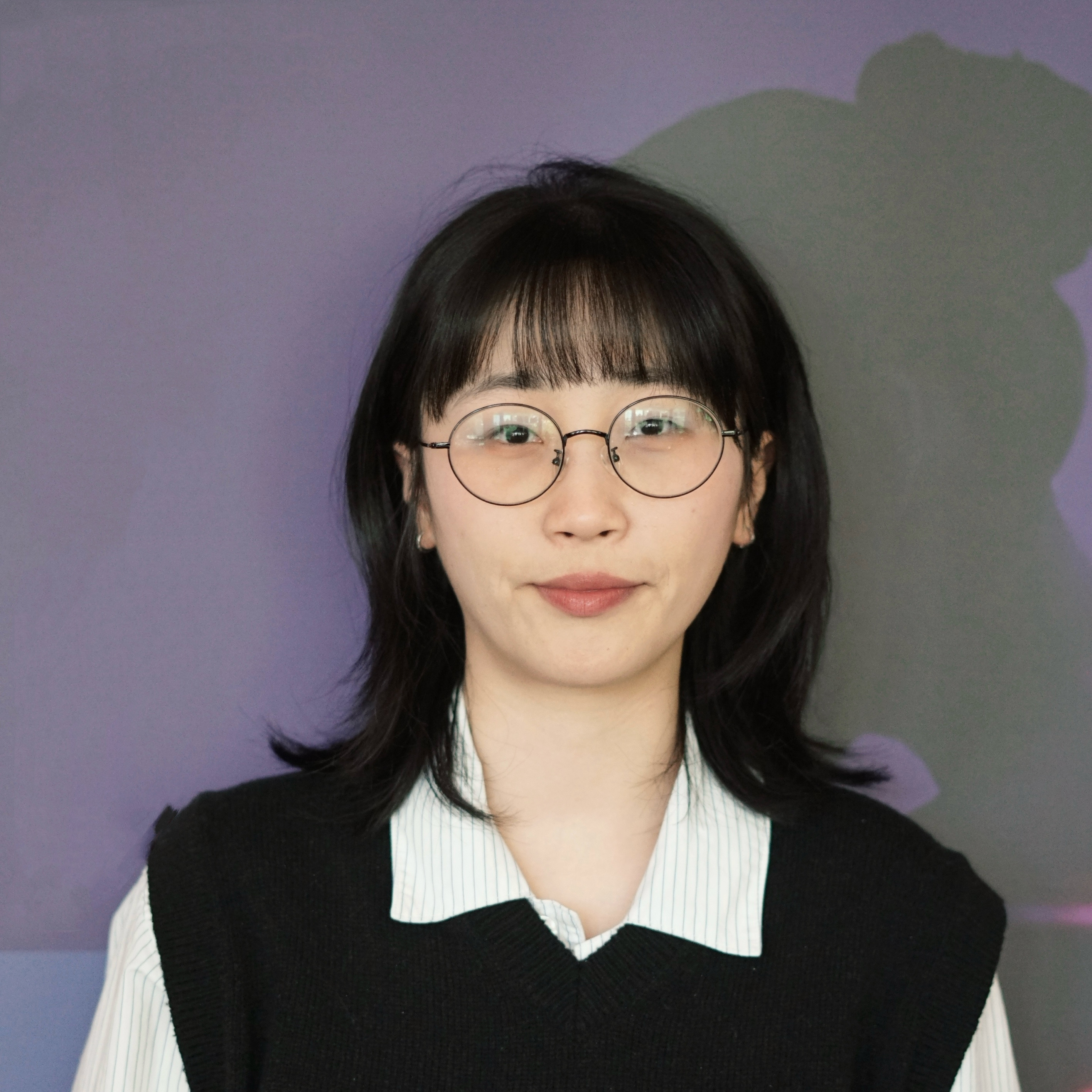
I am currently a Research Fellow at the Opportunity Technology Lab (OTL) under Prof Charmine E. J. Hartel, where I focus on designing inclusive, user-centred technologies that empower vulnerable and underserved communities. My work bridges software engineering, human-computer interaction, and empirical research methods, with a commitment to addressing social inequities through responsible and participatory technology design.
My research interests span across a range of domains — from healthcare and accessibility to digital inclusion. I am particularly interested in how we can develop technologies that respect diverse communication styles, cognitive differences, and lived experiences. Through close collaboration with community organisations, people with disabilities, and interdisciplinary teams, I aim to ensure that technological solutions are not only functional but equitable, inclusive, and grounded in real-world contexts. This commitment to accessibility and inclusion extends beyond my research - it informs how I communicate and present my work.
Accessibility on this website: You can explore accessibility features through the  accessibility panel. I also added an Easy Read mode in the sidebar switch , so visitors can toggle between Easy Read Mode On/Off for a more inclusive browsing experience.
I recently completed my PhD in the HumaniSE lab  , under the supervision of Prof John Grundy, Dr Hourieh Khalajzadeh, Dr Anuradha Madugalla and Dr Humphrey O. Obie, as part of an ARC Laureate project focused on the human aspects of software engineering. My PhD focus on designing adaptive user interface for mobile health application targeting chronic diseases. I applied user-centred design principles and empirical research methods to explore how mobile health tools can dynamically adapt to user needs, improve engagement, and support long-term self-management.
Research impact
Featured projects
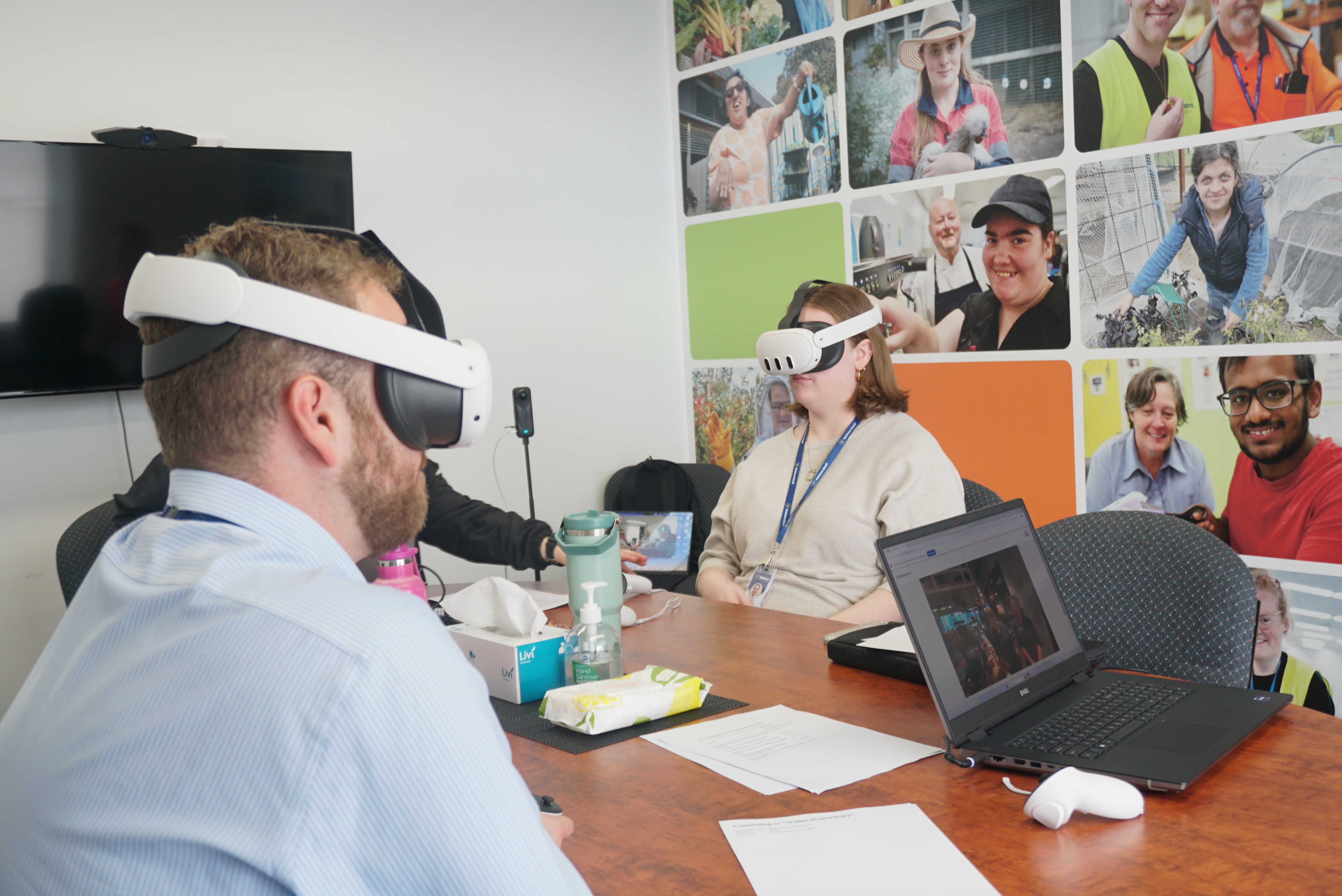
SAF / VRelovate employment pathway
Disability employment, industry partnership, and community impact through inclusive VR training.
View more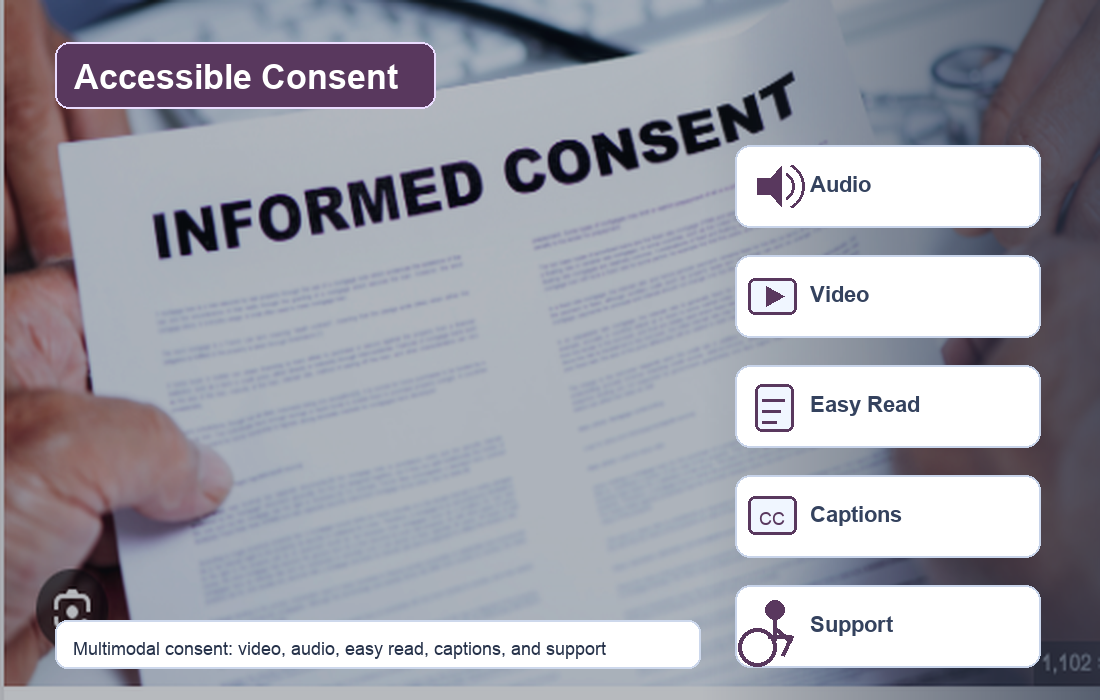
Inclusive AI Consent
Responsible AI, accessibility, and research ethics for clearer consent communication.
View more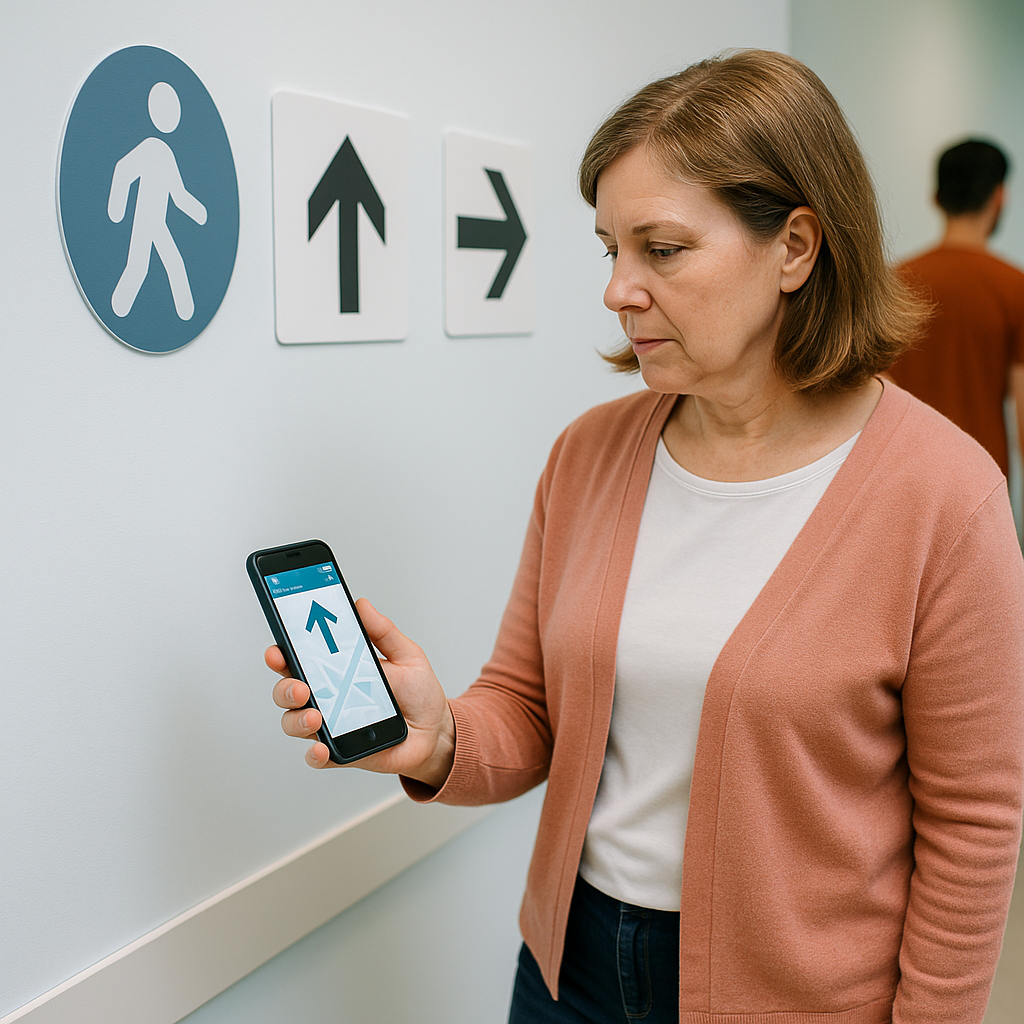
Wayfinding for cognitive impairments
Inclusive navigation research supporting autonomy, carers, and shared wayfinding decisions.
View moreNews
Our grant Value-Based Dental Care for Adults with Cognitive Disability
was awarded AU$40,000 through the Industry Research Incentive Scheme (IRIS), Monash Business School
Our grant SAF Impact Report and Knowledge Translation Package
was awarded Impact Labs Engagement Grant support of AU$4,911.50 with Professor Charmine Hartel
Our grant ECA Research Training Grant 2026
was awarded Monash Business School research-training support of AU$1,918 for advanced AI research capability development
Research areas
Inclusive Technologies for Equity and Social Participation Creating tools and systems that promote access, opportunity, and empowerment for underserved populations. Human Aspects in Software Engineering (SE) Explores how people — both developers and end users — influence and are affected by software systems. It recognizes that software is not just technical; it is deeply social, emotional, and contextual. Human Aspects in Requirements Engineering (RE) of AI Software Understanding and integrating human values, expectations, and limitations into the process of specifying what AI systems should do. This area recognises that AI systems often behave in probabilistic, opaque, or adaptive ways, which introduces unique challenges for aligning system behaviour with human needs, trust, and fairness. AI in Virtual Reality Studying how responsible AI can support virtual-reality training, accessibility, employment preparation, and partner-facing implementation. Accessibility Research Designing, developing, and evaluating digital technologies that are usable and inclusive for people with disabilities. It aims to ensure that technology supports equity, autonomy, and dignity for all users — regardless of ability. Research Methods in Empirical SE Investigates how different research methods are applied, adapted, and validated in the field of Empirical Software Engineering (ESE). Explore the methodological foundations, usage patterns, and challenges involved in conducting empirical research within SE. Digital Health Examining how digital platforms and tools transform healthcare delivery, patient engagement, and provider reputation in virtual settings. Software Engineering Education Designing, evaluating, and innovating educational approaches in Software Engineering, including inclusive pedagogy, curriculum design, learning technologies, and student experiences in computing disciplines.
Selected publications
Wei Wang, Anuradha Madugalla, John Grundy, Paul McIntosh, Charmine E. J. Hartel. 2026. A Proxy‑Stakeholder Approach to Requirements Engineering for Inclusive Navigation. ACM Trans. Softw. Eng. Methodol. 1, 1 (January 2026), 42 pages. https://doi.org/10.1145/3797907
Munazza Zaib, Wei Wang, Dulaji Hidellaarachchi, and Isma Farah Siddiqui. 2026. Invisible Load: Uncovering the Challenges of Neurodivergent Women in Software Engineering. In 2026 IEEE/ACM 48th International Conference on Software Engineering (ICSE-SEIS ’26), April 12–18, 2026, Rio de Janeiro, Brazil. ACM, New York, NY, USA, 5 pages.
Wei Wang, John Grundy, Hourieh Khalajzadeh, Anuradha Madugalla, and Humphrey O. Obie. 2025. Designing Adaptive User Interfaces for mHealth Applications Targeting Chronic Disease: A User-Centered Approach. ACM Trans. Softw. Eng. Methodol. 1, 1 (June 2025), 56 pages. https://doi.org/10.1145/3731750
Wei Wang, Hourieh Khalajzadeh, John Grundy, Anuradha Madugalla, and Humphrey O. Obie. “Adaptive user interfaces for software supporting chronic disease.” In Proceedings of the 46th International Conference on Software Engineering: Software Engineering in Society (ICSE-SEIS ’24), pp. 118-129. 2024.
Where it starts…
Lowering barriers and closing gaps are not the same thing.
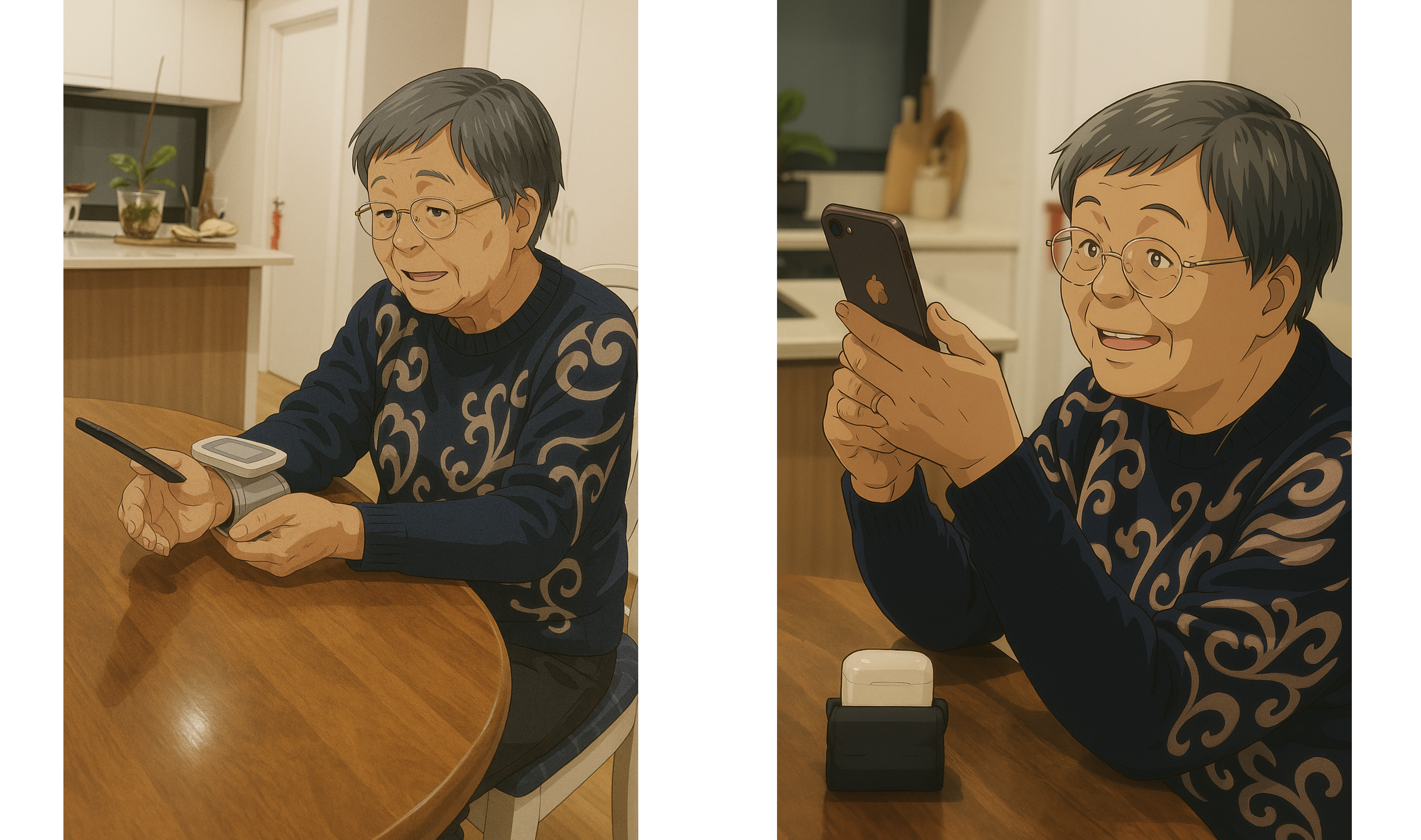
My motivation is deeply personal. I watched people I love move from being strong, independent, and capable to a stage where chronic disease made everyday decisions and digital systems harder to manage. That transition changed how I understand technology quality.
My grandma’s and father’s experiences showed me that software built mainly for clinical efficiency can overlook real human needs in moments of vulnerability. This is why my work focuses on inclusive design in software engineering and HCI: creating technologies that support dignity, preserve autonomy, and stay usable as people’s capabilities change over time.
I acknowledge the Woiwurrung (Wurundjeri) and Boon Wurrung Peoples of the Kulin Nations as the traditional custodians of the land upon which we live, work and learn. I would like to show my respect to Elders past and present. Sovereignty was never ceded.